
A new-watch review can tell you whether the dial is legible, the hands align and the clasp feels comfortable out of the box. It cannot tell you what the owner will think after six months of use. That later account is especially valuable because it catches the slow details: a strap that softens, a crown that remains awkward, a clasp that loosens, or a watch that simply stops getting worn. The linked community discussion asks about watches kept for years. Even at six months, a careful report can begin to answer the right questions.
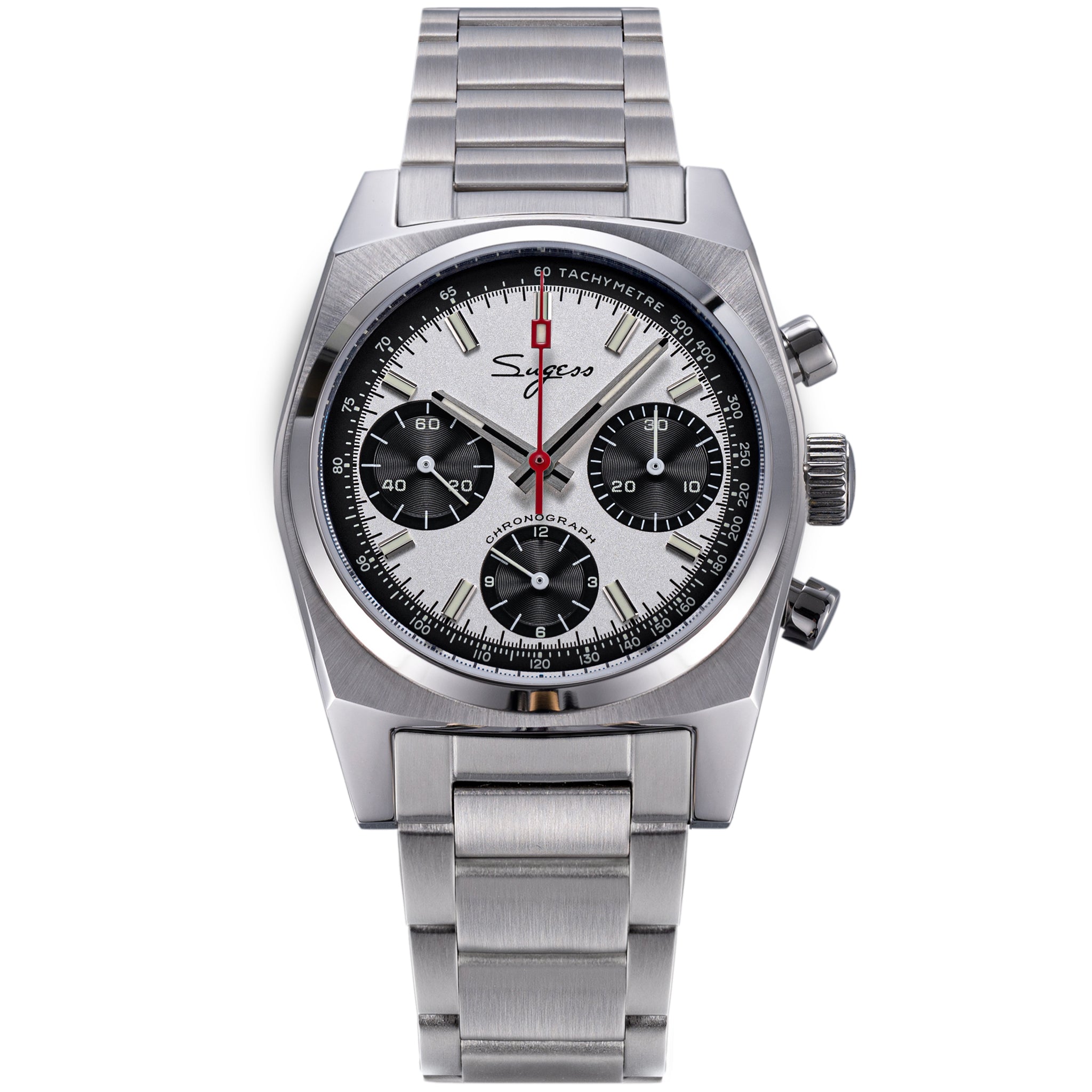
Take the mechanical Sugess Chrono Heritage as an example. A photograph of its chronograph in pristine condition says little about how often the pushers were used or whether the owner still enjoys operating them. The Cronos 37mm BB54 Vintage Diver raises a different set of questions about a daily-wear diver: how often it was worn, whether it was exposed to water, and how its bracelet and bezel behaved over time. The models are examples of what to document, not watches for which we are claiming a particular outcome.
Give an observation its context
Start with the exact reference and variant. Then state when you bought it, how often you wore it and in what conditions. Six months in a rotation is different from six months on the wrist every day. Say whether the watch was dropped, exposed to water, adjusted, serviced or returned. A report of a stopped movement becomes far more useful when it says whether the watch was worn regularly and what a repairer found.
Separate changes from preferences. ‘The clasp opens without pressing the release’ describes a possible fault. ‘I dislike the clasp’ describes an experience that can be equally useful to a buyer, but it is not the same claim. If timekeeping changed, say how you measured it and over what interval. If the watch developed moisture under the crystal, describe the exposure and avoid guessing at the precise failed part without an inspection.
Photographs help when they show the exact issue: a side view of a lifted end link, an image of dial misalignment or a dated sequence of wear. An invoice for a repair can clarify what was done, though personal details should be removed before sharing. Also tell us what held up. A watch that still feels good after months of ordinary use is worth reporting, even when nothing dramatic happened.
A useful owner report includes
- ✓Exact reference, variant and purchase date.
- ✓Months owned and approximate days worn.
- ✓How it was used, including water exposure or impacts.
- ✓What changed, when it changed and how it was checked.
- ✓Any adjustment, service, replacement or seller response.
- ✓Whether you would choose it again, and why.
One report can describe one owner’s experience. Several detailed reports may suggest a pattern worth investigating. Neither gives a reliable failure rate without knowing how many watches were sold and who chose to report. The value of a long-term review is its specificity: it lets the next buyer ask a better question of the exact watch they are considering.